
In the expansive world of Warcraft, choosing a faction is not merely a gameplay decision — it’s a pivotal moment that defines a player’s journey and connection to the world. This choice carries emotional weight, influencing every aspect of gameplay, from quests and interactions to personal values and allegiances. For many, the faction they choose becomes more than just a gameplay mechanic; it shapes their identity within the game and within the community. This article delves into the emotional implications of faction choice, exploring how it forms a fundamental part of player identity and creates lasting impacts on the experience.
The Power of Faction Identity
Choosing a faction is one of the most personal decisions in Warcraft, and it’s a decision that players feel deeply connected to. For many, it goes beyond simply aligning with the goals of either the Horde or the Alliance; it represents their values, beliefs, and approach to the world. Whether it’s the noble ideals of the Alliance or the fierce independence of the Horde, faction choice can reflect a player’s worldview. This identity becomes ingrained in their actions, as they support their faction’s cause, engage in faction-specific quests, and interact with others who share their allegiance.
The faction a player joins provides a lens through which they experience the game’s world, shaping not only their in-game choices but also their interactions with other players.
Emotional Investment in Faction-Driven Conflict
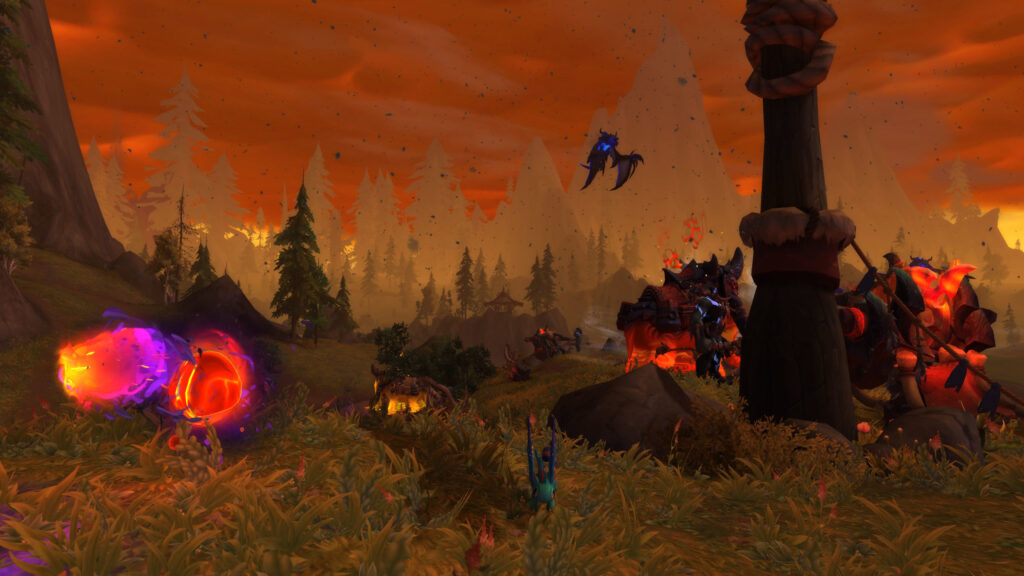
One of the most emotionally charged aspects of faction choice is the inherent conflict that arises between the Horde and the Alliance. As players engage in battles, raids, and wars, the ideological and cultural differences between the factions intensify the emotional stakes. The tension that builds during PvP encounters, where every victory and loss feels personal, adds an emotional layer to the choice. Whether it’s defending the honor of the Alliance or fighting for the freedom of the Horde, the player’s faction becomes a source of pride, fueling their passion for success and their desire to see their side triumph.
This conflict gives players a sense of purpose, turning the game world into a stage for a larger-than-life struggle where each individual’s contribution feels meaningful.
How Faction Loyalty Influences Player Interactions
Faction loyalty doesn’t just affect the player’s personal experience; it also influences interactions with others. Social dynamics within the game can become heavily tied to faction allegiance, shaping group behavior in both positive and negative ways. Players may form lasting friendships with others of the same faction, but they also engage in rivalry with those who choose the opposing side. These rivalries can enhance the sense of community within factions while creating a competitive tension that fuels the game’s social structure.
Faction choice, therefore, becomes a foundation upon which relationships are built — friendships, alliances, and even bitter feuds all stem from the division between the Horde and the Alliance.
The Long-Term Impact on Player Experience
The emotional impact of faction choice extends beyond individual playthroughs. Over time, players develop a deep-rooted connection to their faction, as their adventures and stories are intertwined with the faction’s lore and history. For many players, this connection leads to long-term loyalty, with their faction becoming a core part of their identity as a gamer. The choice to align with a faction becomes a symbol of dedication, and players often find themselves continuing to fight for their side through multiple expansions, even as the story evolves and the stakes grow higher.
This long-term investment creates a bond with the game world that persists far beyond any individual campaign or expansion.
Why Faction Choice is More Than Just a Game Mechanic
Choosing a faction is a key part of Warcraft’s identity system, and it offers more than just gameplay benefits. It creates a lasting emotional connection between the player and the game world, shaping their experience, their community ties, and even their approach to future expansions. As players immerse themselves in the ongoing struggle between the Horde and the Alliance, the emotional weight of faction choice becomes a defining factor in how they engage with the world of Warcraft, solidifying it as a foundational element of their gaming identity.
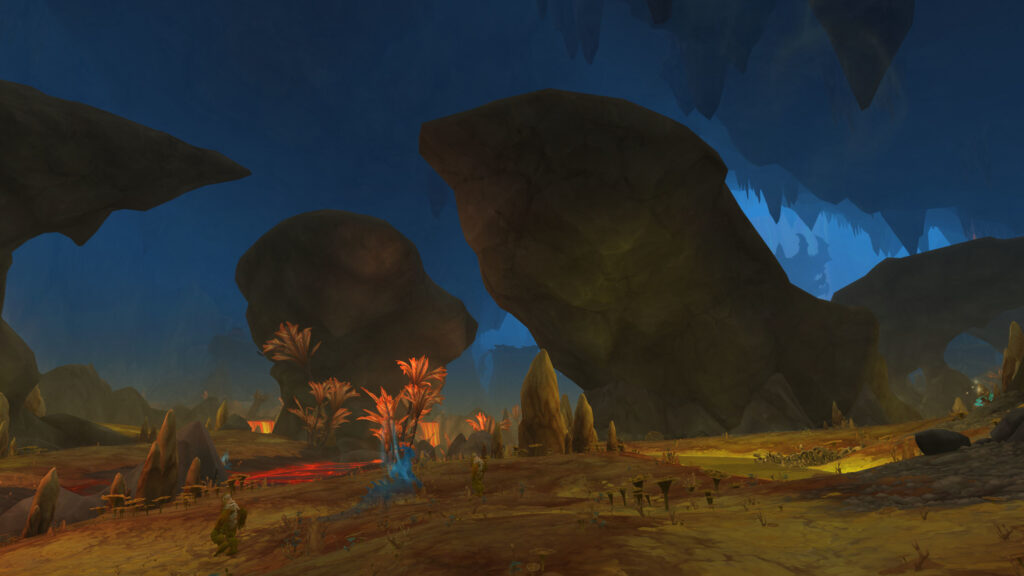
In the end, choosing a faction is not just about strategy or gameplay mechanics — it’s about creating a lasting connection to a world that feels alive and personal.
Conclusion
Faction choice in Warcraft is more than a simple decision; it’s a cornerstone of player identity. It influences not only in-game actions and social interactions but also fosters an emotional investment that lasts for years. Whether a player stands with the Horde or the Alliance, their faction shapes their journey, enriching their experience and creating a lasting bond with the game. In the end, choosing a faction is a powerful moment in every player’s Warcraft story, one that resonates long after the screen fades to black.

Leave a Reply